

Stomach Pain: When Is It an Emergency?
Stomach pain is common, but knowing what’s normal and what may require medical attention can help you make confident care decisions.


Written by: Corey Alexander
Published on: March 3, 2026
That sudden cramp, dull ache, or sharp twinge in your belly can make you pause. Sometimes it’s just a sign you overdid it at dinner. But other times, that pain could be your body’s way of sending a serious warning.
Understanding the signals your body is sending, whether it’s a simple stomachache or a medical emergency, is crucial for your health.
We'll explore the common causes of abdominal pain and clarify when you should manage symptoms at home or seek help at Baptist Emergency Room & Urgent Care.
Your Abdomen Is More Than Just Your Stomach
When you say your "stomach" hurts, the pain could be coming from several different organs. Your abdomen is a busy neighborhood, housing vital parts of your digestive system and more.
Your abdomen contains:
- Stomach
- Small and large intestines
- Liver
- Gallbladder
- Pancreas
Pain in this area can be tricky to pinpoint because it can feel different depending on the cause. To get a better idea of what might be wrong, healthcare providers mentally divide the abdomen into four sections, or quadrants. Thinking about your pain this way can help you give a more accurate description of your symptoms.
For example, a sharp pain in your lower right abdomen is a classic sign of appendicitis. Pain in the upper right quadrant after a greasy meal could point to a gallbladder issue.
Common Causes
Most of the time, abdominal pain is temporary and not a cause for major concern. It’s often related to digestion and resolves on its own within a few hours or a couple of days.
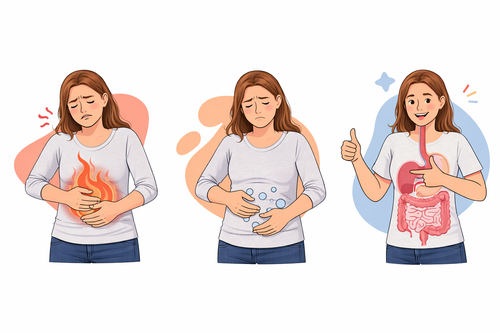
Some of the most frequent culprits behind mild stomach pain include:
- Indigestion or acid reflux
- Gas and bloating
- Constipation
- Food poisoning
- Stomach flu (gastroenteritis)
Even these mild issues can sometimes escalate. A simple case of constipation can become severe if not addressed, and a stomach virus can lead to dangerous dehydration. Pay attention to your body and how your symptoms evolve.
Finding Relief at Home
If you're dealing with a mild, familiar ache and are confident it isn't something serious, a few at-home strategies can provide comfort.
- Give your gut a rest: Stop eating for a few hours, or stick to bland, easy-to-digest foods like crackers, bananas, or plain rice.
- Stay hydrated: Dehydration can worsen cramps and constipation. Sip water, clear broths, or drinks with electrolytes, especially if you have diarrhea or are vomiting.
- Apply gentle heat: A warm heating pad on your abdomen can relax tense muscles and ease cramping.
- Try simple remedies: Ginger is well-known for calming indigestion, while peppermint can help relax intestinal muscles and relieve gas.
- Consider over-the-counter options: Antacids for heartburn or medications for gas and diarrhea can be effective for mild cases. Use them as directed.
When to Seek Care for Stomach Pain
If your stomach pain doesn’t go away or gets worse, it’s time to get checked out by doctor. You should also seek care if your pain is accompanied by a mild fever, nausea, vomiting, localized pain, painful urination, or signs of dehydration such as dark urine or dizziness.
If you have sudden or severe pain, pain spreading to your chest, neck, or shoulder, vomiting blood, a hard or rigid abdomen, trouble breathing, or pain after an injury, get help right away.
These symptoms could signal serious conditions like appendicitis, a ruptured aortic aneurysm, a bowel obstruction, or pancreatitis. In an emergency, every minute counts.
Find the Right Care at Baptist Health Care Emergency Room & Urgent Care
Understanding the source and severity of your stomach pain empowers you to make the right choice for your health.
At Baptist Emergency Room & Urgent Care, we make it easier by offering both emergency and urgent care services under one roof, ensuring you receive the appropriate level of care, without the guesswork.
Appointments are unnecessary - walk in, and our healthcare professionals are ready to help at both of our locations.
Navarre - 8888 Navarre Pkwy., Navarre, FL 32566. Call the center at 850-750-5698.
Nine Mile - 9400 University Parkway Suite 101A Pensacola, FL 32514. Call the center at 448-227-4600.