Beat the Heat on the Emerald Coast — A Guide to Staying Hydrated
Don't let the heat catch you off guard—small hydration habits make all the difference this season.

Written by: Corey Alexander
Published on: June 10, 2026
The Florida Panhandle is one of the most beautiful places in the country to spend a summer. Sugar-white sand, emerald-green water, seafood fresh off the boat — it's easy to see why we get millions of visitors every year.
But whether you're a lifelong resident or a family making your first trip to the Gulf, summer here comes with a real health risk that's easy to underestimate: dehydration.
Spend a day on the beach or grind through a long workday outside, and your body is burning through fluids faster than you may realize.
At Baptist Health Care Emergency Room & Urgent Care, we see the effects of heat and dehydration in our community every summer. Here's what you need to know to stay safe and enjoy every day of it.
How much water do you need?
Most people know to drink water on hot days. What catches people off guard on the Gulf Coast is the humidity, which makes it harder for the body to cool itself through sweat.
Tourists face an added layer of risk. Your body hasn't had time to adjust to the heat, and the excitement of vacation can override your body's early warning signals. The same goes for kids, who may be too busy having fun to slow down and drink water.
So, how much water do you need?
Well, general guidelines from the National Academies of Sciences, Engineering, and Medicine recommend about 15.5 cups of fluid per day for men and 11.5 cups for women — and that's under normal conditions.
Full days outside in Panhandle heat and humidity require more, sometimes significantly more.
Know the warning signs of dehydration
Dehydration can sneak up quietly, especially when you're relaxed and having a good time. Common early symptoms include:
- Dry mouth
- Fatigue or low energy
- Headache
- Muscle cramps
- Irritability or difficulty concentrating
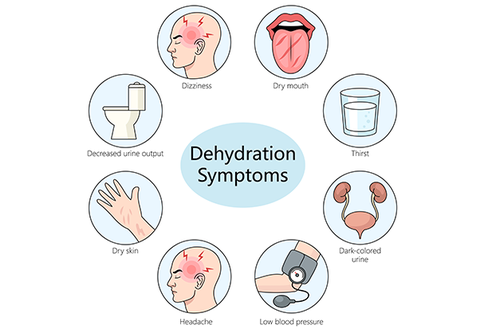
Check your urine color as a quick gauge. Pale yellow means you're well hydrated. Darker yellow is your body asking for more fluids.
If you or someone in your group experiences confusion, a rapid heartbeat, vomiting, or is unable to keep fluids down, don't wait it out. That's a sign of severe dehydration or heat-related illness, and it requires medical attention right away.
Older adults and anyone managing a chronic health condition should also take extra precautions throughout the day.
Tips for staying hydrated on the Gulf Coast
A few simple habits can make a big difference:
Baptist Health Care Emergency Room & Urgent Care is here when you need us
If you're not feeling your best after a day in the sun, or if symptoms get worse and don't improve with rest and fluids, come see us.
At Baptist Health Care Emergency Room & Urgent Care, our ER-trained providers are here to assess your condition and get you the care you need quickly — no appointment necessary. We have locations in Pensacola and Navarre to serve both our local community and the visitors who join us every summer.
Stay cool, stay hydrated, and enjoy every moment the Emerald Coast has to offer.